Staple Foods to Make Healthy Eating:Healthy eating doesn’t have to mean cooking complicated recipes every day or buying expensive “health foods.” In fact, having a few nutritious staple foods in your kitchen can make it much easier to put together healthy meals throughout the week.
The trick is to choose foods that are versatile, filling, affordable, and easy to prepare. With the right staples on hand, you can quickly build breakfasts, lunches, dinners, and snacks without starting from scratch every time.
Here are 10 healthy staple foods worth keeping in your kitchen.
1. Oats
Oats are an easy breakfast option and a good source of fiber, particularly beta-glucan.
You can use them to make:
- Overnight oats
- Oatmeal
- Homemade granola
- Smoothies
- Healthy muffins
For a more balanced breakfast, combine oats with fruit, nuts, seeds, or yogurt.
2. Eggs
Eggs are one of the most convenient sources of protein and can be prepared in just a few minutes.
Keep boiled eggs in the refrigerator for a quick snack, or use eggs to make omelets, scrambled eggs, sandwiches, and rice dishes.
They’re also useful when you need a simple meal without many ingredients.
3. Brown Rice
Brown rice is a whole grain that can serve as the base for countless meals.
Cook a batch ahead of time and pair it with vegetables, beans, lentils, chicken, fish, or tofu.
If you prefer white rice, there’s no need to eliminate it completely. Portion size and the overall balance of your meal matter too.
4. Lentils
Lentils are inexpensive, filling, and rich in plant-based protein and fiber.
They work well in:
- Dal
- Soups
- Curries
- Salads
- Grain bowls
Because dried lentils are easy to store, they’re an especially useful pantry staple.
5. Beans
Canned or dried beans can make a quick meal much more satisfying.
Kidney beans, chickpeas, black beans, and other varieties can provide protein, fiber, vitamins, and minerals.
Add them to salads, wraps, soups, rice dishes, or homemade curries.
If you’re using canned beans, rinsing them can help remove some of the added sodium.
6. Greek Yogurt or Plain Yogurt
Plain yogurt is a convenient source of protein and calcium.
Use it as a breakfast food with fruit and nuts, blend it into smoothies, or use it as a base for dips and sauces.
Choosing an unsweetened variety gives you more control over how much added sugar goes into your meal.
7. Frozen Vegetables
Don’t overlook the freezer section.
Frozen vegetables can be just as convenient as fresh vegetables and are often available year-round.
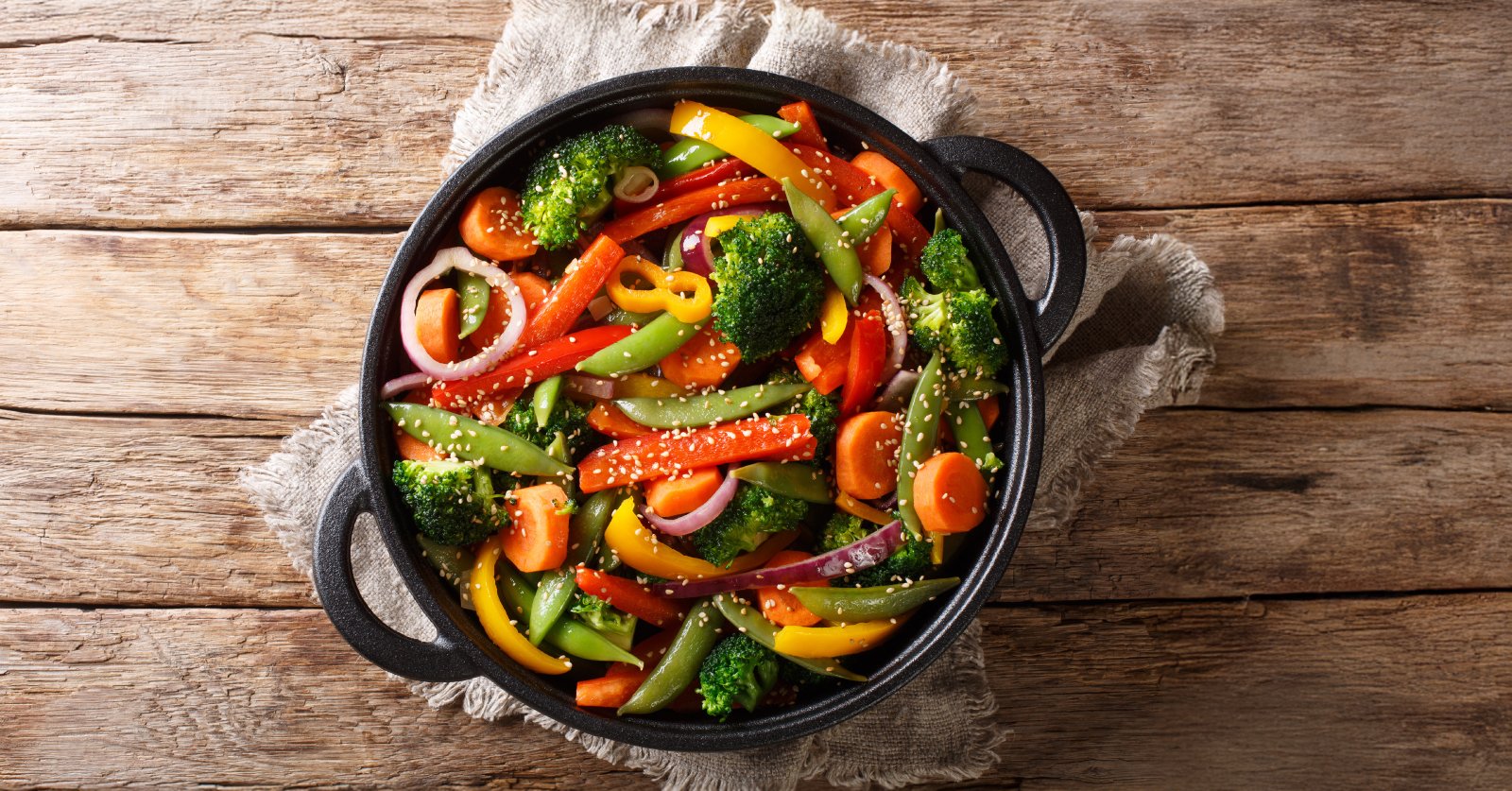
Keep a few varieties such as peas, carrots, spinach, broccoli, or mixed vegetables on hand. They can quickly be added to stir-fries, soups, rice dishes, pasta, or omelets.
8. Fresh or Frozen Fruit
Fruit makes an easy addition to almost any meal.
Bananas, apples, oranges, berries, mangoes, and other fruits can provide fiber and a range of vitamins and minerals.
Frozen fruit is particularly useful for smoothies or when fresh fruit isn’t available.
9. Nuts
A small handful of nuts can make a simple snack more satisfying.
Almonds, walnuts, pistachios, peanuts, and cashews provide healthy fats, protein, and other nutrients.
Because nuts are calorie-dense, you don’t need a large serving. A small portion is usually enough.
10. Seeds
Seeds are another easy way to add nutrition to everyday meals.
Try keeping chia seeds, flaxseeds, pumpkin seeds, or sunflower seeds in your pantry.
Sprinkle them over oatmeal, yogurt, salads, or smoothies.
Ground flaxseed is particularly easy to mix into breakfast foods and baked recipes.
11. Potatoes and Sweet Potatoes
Potatoes sometimes get an unfair reputation as an unhealthy food.
The cooking method matters. Baked, boiled, or roasted potatoes can be part of a nutritious meal, especially when paired with vegetables and a source of protein.
Sweet potatoes are another versatile option and provide beta-carotene along with other nutrients.
12. Whole-Grain Bread or Rotis
Having a convenient carbohydrate source makes healthy meals much easier to assemble.
Whole-grain bread can be used for sandwiches, toast, or quick breakfasts. Rotis or other whole-grain flatbreads can serve as the base for wraps and balanced meals.
Look for products with whole grains listed prominently in the ingredients.
How to Use These Foods Throughout the Week
The real advantage of staple foods is that you can mix and match them instead of following a complicated meal plan.
For example:
Breakfast:
Oats + yogurt + banana + nuts
Lunch:
Brown rice + lentils + mixed vegetables
Snack:
Apple + handful of almonds
Dinner:
Eggs or fish + roasted potatoes + vegetables
The same ingredients can be combined differently throughout the week, which saves both time and money.
A Simple Healthy-Eating Formula
When you’re unsure what to make, try building your meal around three basic components:
Protein + vegetables/fruit + whole-grain or starchy carbohydrate
For example:
- Eggs + vegetables + whole-grain toast
- Chicken + broccoli + brown rice
- Lentils + mixed vegetables + roti
- Fish + salad + potatoes
- Beans + vegetables + rice
You don’t need every meal to be perfect. What matters most is the overall pattern of your diet.
Make Healthy Eating Easier, Not Harder
One of the biggest barriers to healthy eating is convenience. When nutritious ingredients aren’t available, it’s much easier to reach for takeout, packaged snacks, or highly processed foods.
Keeping a small collection of versatile staples at home can change that.
You don’t need a refrigerator and pantry packed with dozens of specialty products. Start with a handful of foods you actually enjoy, learn a few simple combinations, and build from there.
Healthy eating becomes much easier when the healthy choice is also the convenient choice.
Frequently Asked Questions
What are the best staple foods for healthy eating?
Some useful staples include oats, eggs, lentils, beans, vegetables, fruit, yogurt, whole grains, nuts, seeds, and fish. The best choices are foods that fit your preferences, budget, and usual meals.
Can healthy staple foods be affordable?
Yes. Foods such as oats, lentils, beans, eggs, potatoes, seasonal vegetables, and rice can provide substantial nutrition without costing a lot.
Should I buy fresh or frozen vegetables?
Both can be good choices. Frozen vegetables are particularly convenient because they last longer and require little preparation.
How can I eat healthy when I don’t have much time?
Keep convenient staples available and prepare a few ingredients in advance. Cooked grains, boiled eggs, washed fruit, frozen vegetables, and canned beans can make quick meals much easier.
Do I need to completely avoid carbohydrates?
No. Carbohydrates can be part of a healthy diet. Focus on overall dietary quality and include nutritious sources such as whole grains, potatoes, beans, fruits, and vegetables.
Bottom Line
You don’t need an elaborate meal plan to eat well all week.
Stocking your kitchen with 15 versatile staple foods—from oats and eggs to lentils, vegetables, fruit, nuts, and whole grains—can make healthy meals faster, easier, and more affordable.
Start with the foods you already enjoy, keep them readily available, and use simple combinations to create balanced meals throughout the week.